Research
What happens after an animal dies – and why it matters
My research follows carrion through ecosystems: the scavengers that use it, the conditions that shape their behaviour, and the disease risks that can travel with it.
01 · Ecology
Scavenging ecology
Who eats carrion, when and why, across Australia's deserts, forests and alps.
Explore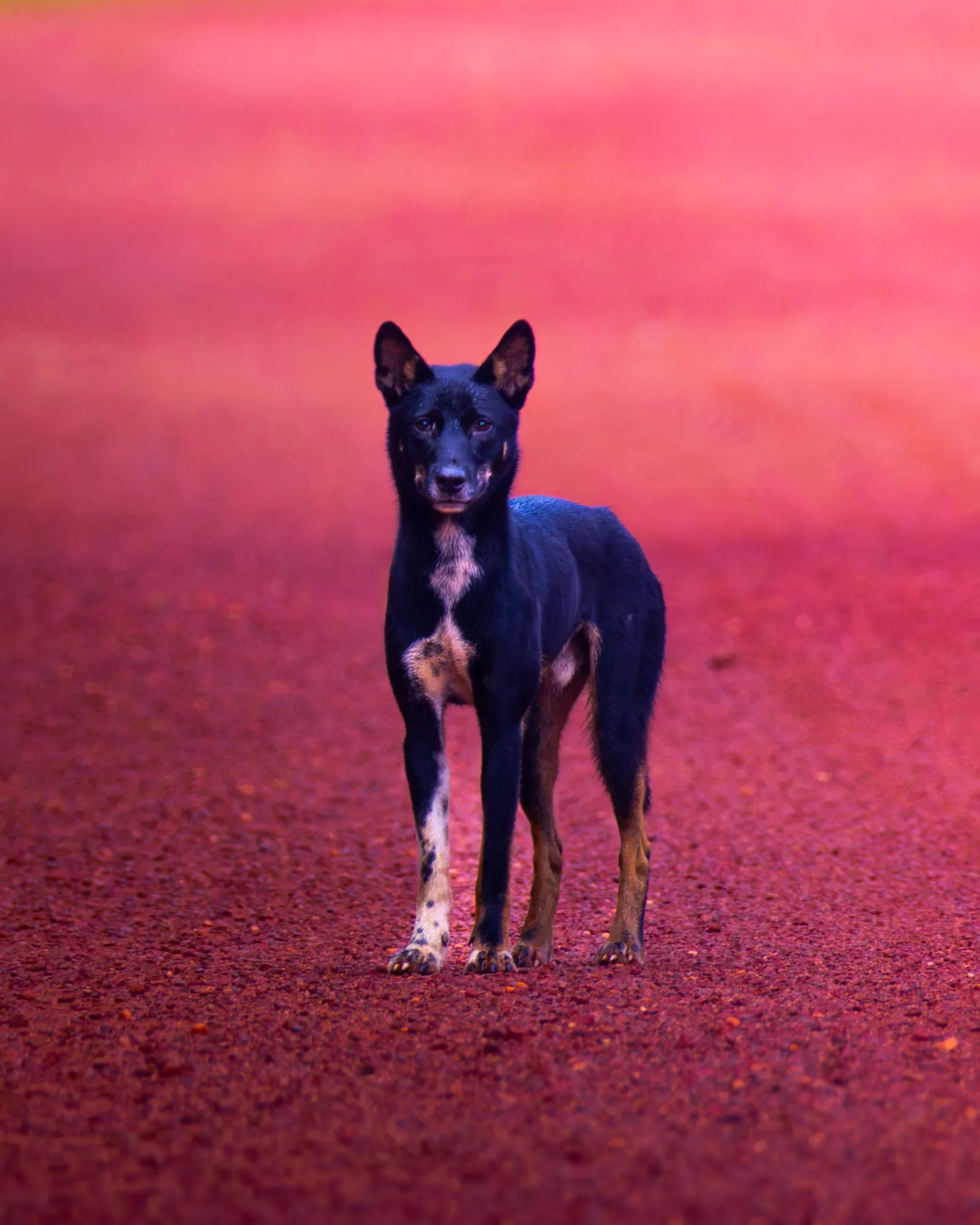
02 · Disease ecology
Wildlife disease & spillover
Carcasses as meeting points where pathogens can move between wild and domestic animals.
Explore
03 · Biosecurity
Biosecurity & emerging threats
What scavengers mean for preparing Australia for rabies and H5N1 bird flu.
Explore
04 · Conservation
Invasive species at carrion
How feral pigs and red foxes compete with native scavengers for carcasses.
ExploreHow the research works
From a single carcass to a biosecurity question
01 — Field
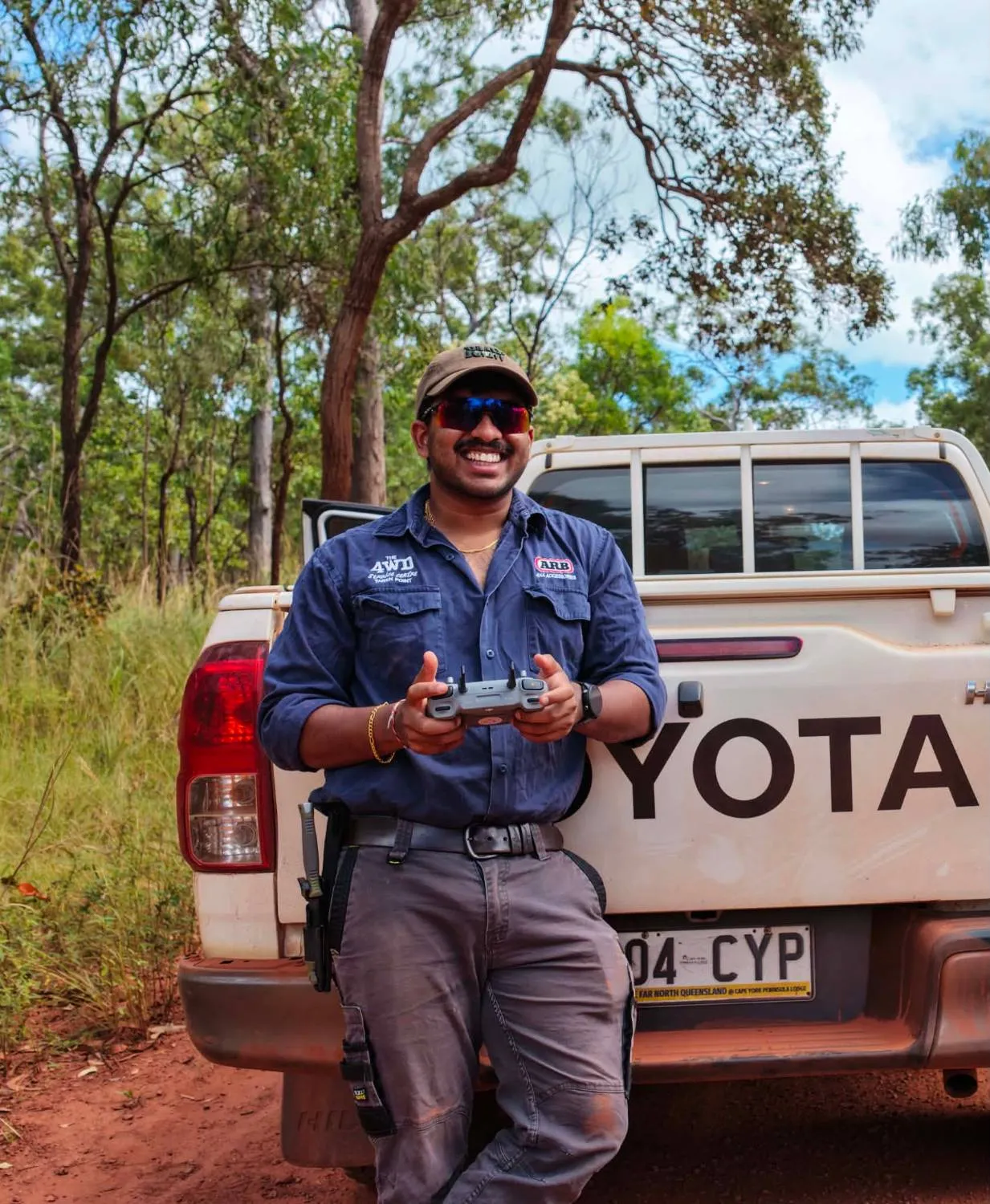
Carcasses placed across contrasting landscapes
Kangaroo carcasses are set out in desert, forest and alpine bioregions, in open and closed habitats, across warm and cool seasons.
02 — Observe
Camera traps record every visit
Motion-triggered cameras capture which species arrive, how long they feed, which body parts they target and how they interact with each other.
03 — Analyse
Patterns across species, seasons and decay
Statistical models separate the effects of bioregion, habitat, season and decomposition stage on scavenger activity and behaviour.
04 — Apply
Informing disease risk and biosecurity
Carcasses are meeting points for wild and domestic animals. Understanding them helps anticipate how threats like rabies or H5N1 bird flu could spread.
Collaborate
Working on a question worth exploring?
I'm open to collaborations on scavenging, carrion ecology and wildlife disease, and to talking with students, land managers and journalists.
Start a conversation